
A construction timelapse camera may sound simple: install a fixed camera, capture images at set intervals and turn them into a progress video. In practice, image quality, data reliability and the usefulness of the final video depend heavily on how the site is surveyed, installed and operated from the beginning.
This article covers 7 common mistakes in construction timelapse deployment. Each mistake is explained through three lenses: the cause, the impact and how to avoid it, helping owners, main contractors and project management teams prepare before installation.
Why do timelapse installation mistakes often appear only after a few weeks?
Unlike a one-day video shoot, construction timelapse runs over a long period. A poor angle, unstable power supply or unclear storage workflow may not look serious on day one, but it can become a major issue after weeks or months, when the lost construction stage cannot be captured again.
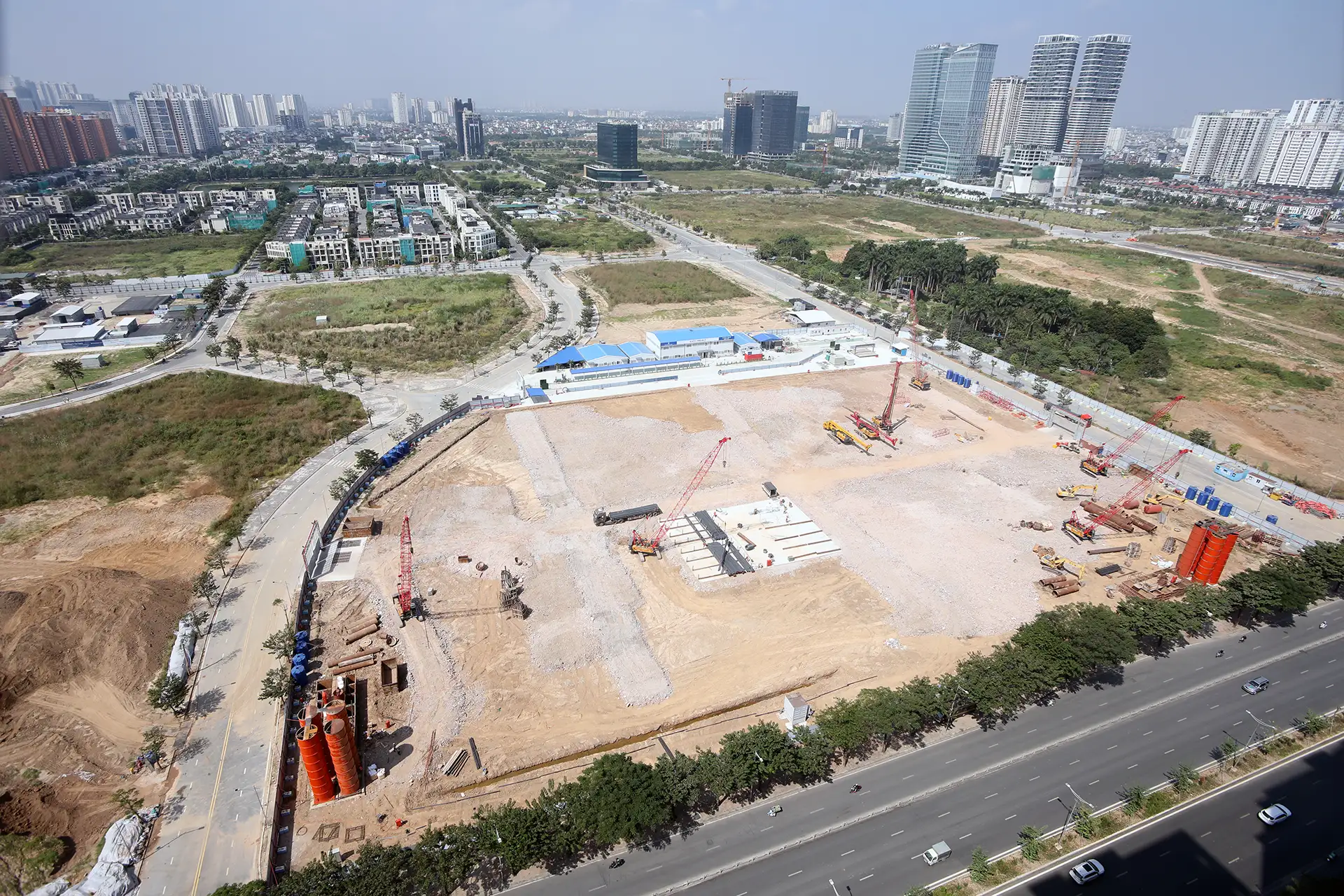
Quick checklist before installing a construction timelapse camera
Before deployment, the project team should review the following basics to reduce operational risk and avoid repeated reinstallation after the site becomes active.
- Define the primary purpose of the timelapse: progress monitoring, internal reporting, project communication or documentation archive.
- Choose a camera angle that can show the important construction area over a long period.
- Check the installation position for height, safety, maintenance access and the risk of obstruction.
- Assess power supply, connectivity options and weather exposure on site.
- Agree on capture intervals, data checking workflow and storage method.
- Anticipate post-production needs: progress video, project completion film, short communication cut or presentation version.
- Clarify coordination points among the owner, contractor, project management team and deployment team.
1. Choosing an angle that only looks good during the site survey
Cause
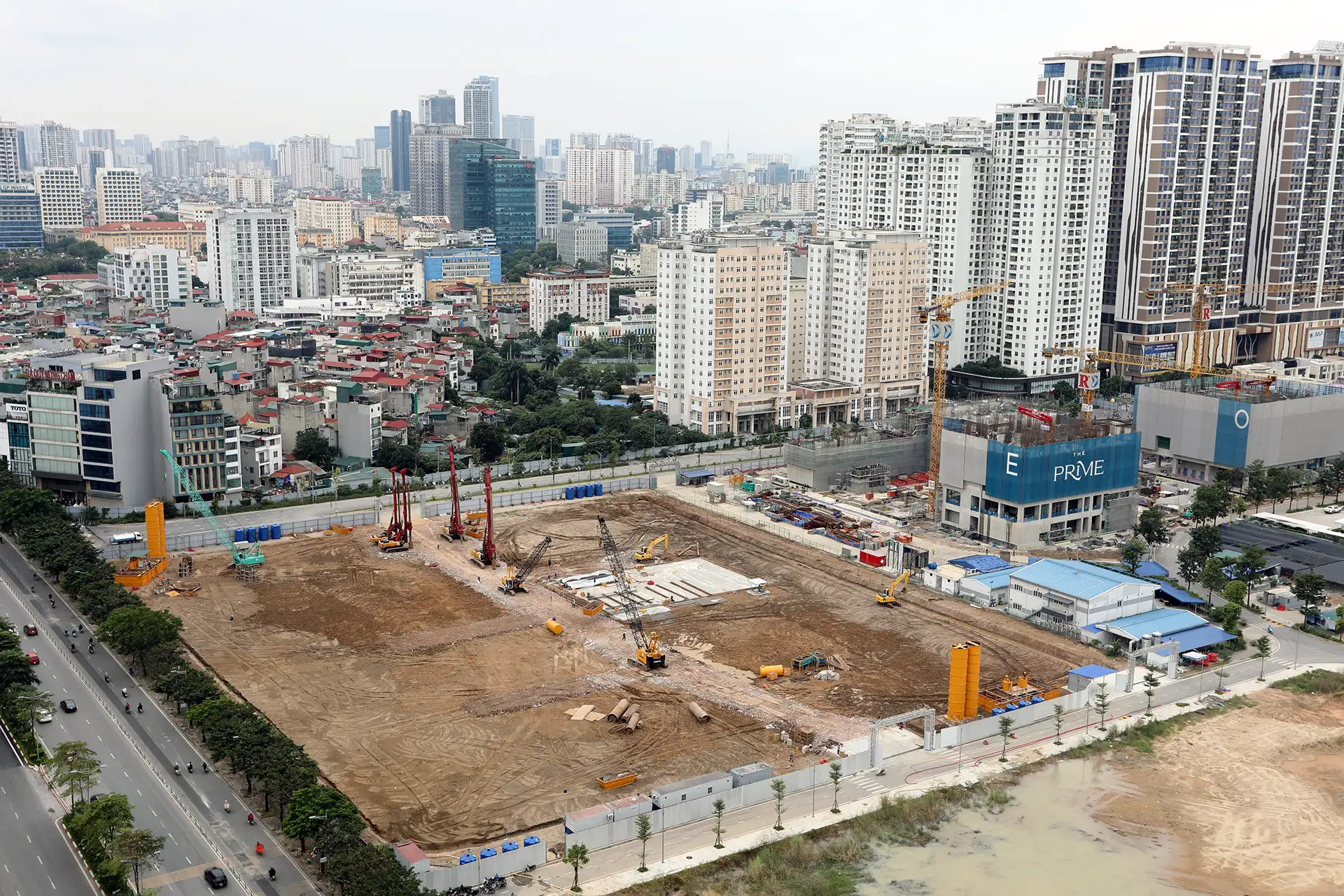
This mistake often happens when the installation team selects a camera view based only on the current frame without considering how the site will change in later phases. A view that looks good during the survey may be blocked by scaffolding, cranes, temporary structures, fencing or new building sections after a few weeks.
Impact
When the view is blocked, the timelapse sequence loses its ability to tell the full progress story. The final video may show only a small part of the site, miss key construction milestones or require heavy editing, reducing its reporting and communication value.
How to avoid
Before installation, review the site layout, construction staging plan and key development phases. A good angle is not just attractive today; it should maintain a useful view throughout the recording period.
2. Installing the camera too low or too close to active work areas
Cause
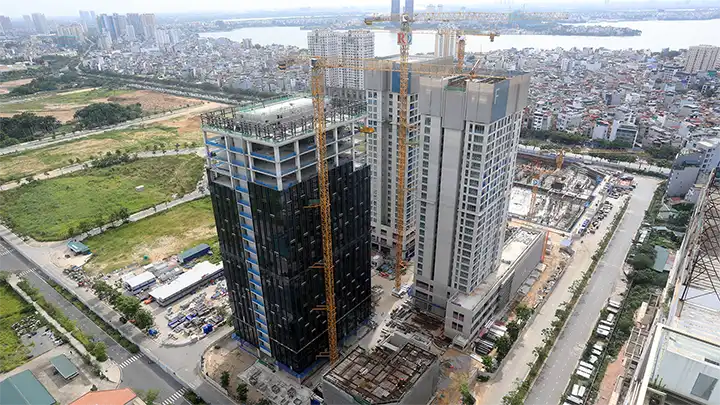
To make the image appear clearer or to simplify cabling, cameras are sometimes placed too low or too close to where machinery and workers operate. This may feel convenient at first, but it is rarely ideal for a construction site that changes every day.
Impact
The camera is more exposed to vibration, accidental impact, dust and obstruction by site equipment. The frame may also be too tight, making it harder to show the scale of the project and leaving the progress video without enough context.
How to avoid
Prioritize a position with sufficient height, stability and field of view, while still keeping installation and maintenance safe. If the site has several critical areas, multiple camera angles may work better than trying to capture everything from one camera placed too close.
3. Not checking the power supply carefully for long-term operation
Cause
Some projects treat power supply as a minor detail and only check it quickly during installation. On a construction site, temporary power routes may change, power may be cut during certain phases or the power source may be relocated as work progresses.
Impact
If the power supply is interrupted, the image sequence may contain gaps. For timelapse, a long data gap makes the video less continuous, especially when important construction work happens during that missing period.
How to avoid
Agree on the power supply plan with the site team before installation, define who will notify changes and check the operating status regularly. Power should not be treated as a one-time setup item that is ignored for the rest of the project.
4. Underestimating connectivity and data checking requirements
Cause
Not every location on a construction site has stable connectivity. A common mistake is assuming that once the camera is installed, the data will automatically be complete, without setting up a process to check images, device status or connection issues.
Impact
When unstable connectivity is not detected early, the project may lose data for several days. The management team also has limited visibility into system status and may only discover problems when a video or report is needed.
How to avoid
Before full operation, test connectivity at the installation point and agree on a data checking schedule. For long-term projects, monitoring device status is just as important as selecting the camera itself.
5. Not planning storage capacity and data management workflow
Cause
Timelapse generates data over time. If the project lasts long enough, the image volume can grow quickly. A common mistake is focusing only on the final delivered video without defining how original images will be stored, foldered, named, backed up and accessed.
Impact
Poorly organized data makes it harder to find progress milestones, edit phase-based videos or respond to additional requests. In the worst case, important data may be misplaced or overwritten.
How to avoid
Set the storage structure from the start: by project, by camera, by date or by construction phase. A backup and periodic review process should also be in place so the data can support both progress management and post-production needs.
6. Thinking only about image capture, not the final edited video
Cause
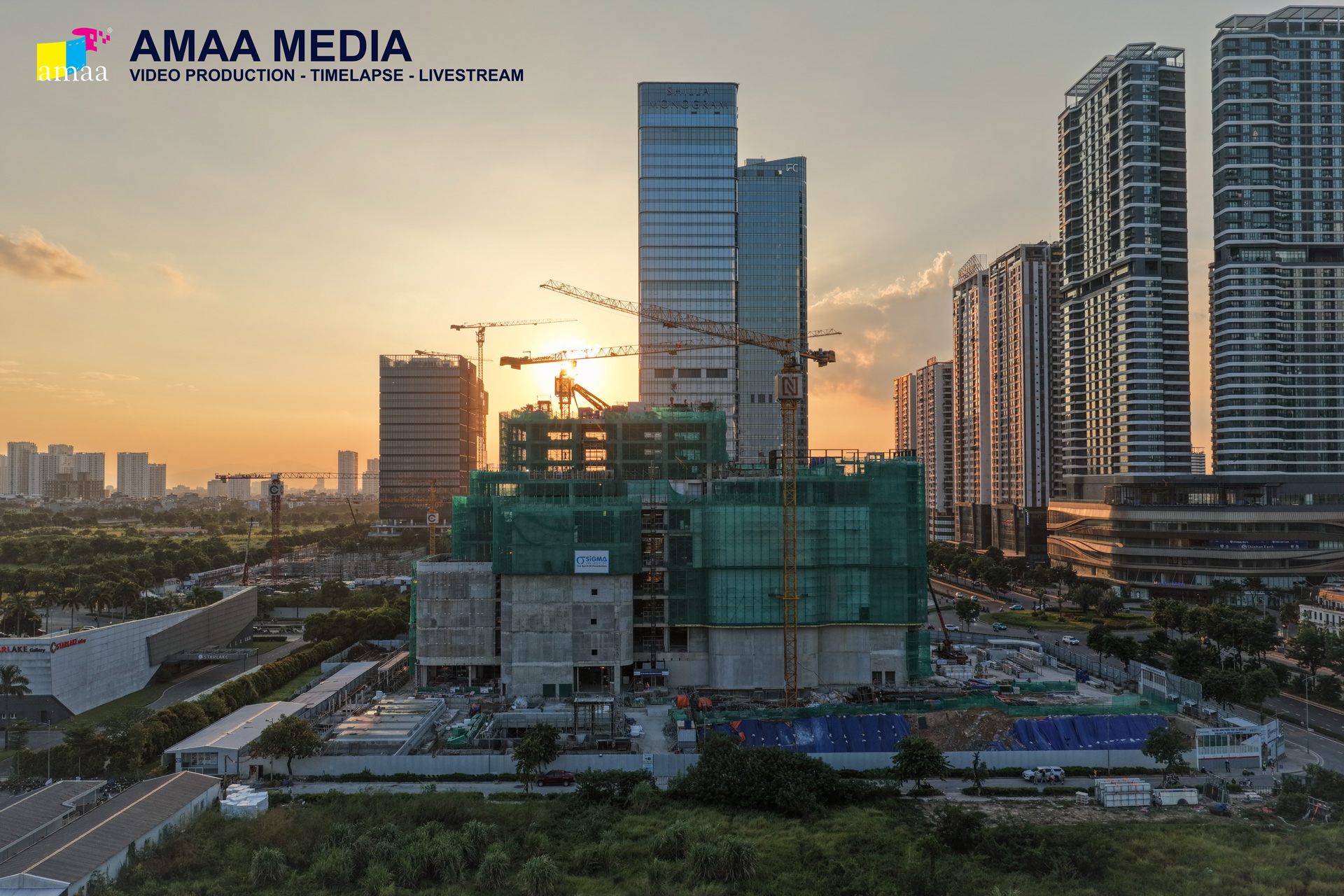
Many projects treat timelapse as image collection, without defining what the final deliverable should be: an internal progress report, a project completion video, a short marketing cut or footage for a company profile.
Impact
Without a clear post-production goal, the camera angle, capture interval and data workflow may not match how the video will be used. When editing begins, the post-production team may lack visual milestones, pacing options or supporting material.
How to avoid
From the initial brief, define the delivery format, expected duration, target audience and usage channels. If the video is intended for communication, plan ahead for editing rhythm, titles, graphics, music and different versions for different platforms.
7. Not defining site coordination responsibilities clearly
Cause
Timelapse sits between multiple parties: the owner, main contractor, project management team, safety team, electrical team, site security and deployment vendor. Without a clear contact point, site changes may not be communicated to the team responsible for the camera.
Impact
The camera may be moved, blocked, disconnected or left inaccessible when maintenance is needed. Small issues that are not coordinated quickly can affect the entire long-term recording sequence.
How to avoid
Define contact points for each party, site access procedures, layout change notifications and incident handling steps. A clear coordination workflow helps the timelapse system remain stable in real construction conditions.
How to plan before deploying construction timelapse
To reduce the mistakes above, owners and contractors should treat timelapse as a long-term operational item, not merely an extra device installed on site. A basic plan should include the following steps.
- Define the video usage goal and key progress milestones that need to be documented.
- Survey the site with someone who understands the construction plan and future layout changes.
- Confirm installation position, power supply, connectivity, safety and maintenance access.
- Set a workflow for data checking, storage and device status reporting.
- Agree on post-production requirements and the video versions to be delivered.
How Amaa Media supports construction timelapse deployment
If your business needs a long-term progress documentation solution planned from site survey to post-production, you can explore Amaa Media’s construction time-lapse service. Depending on the project goal, the team can also consider post-production thinking from video editing services or spatial documentation formats such as 360 virtual reality to support project communication and archiving.
Frequently asked questions about construction timelapse camera installation
Can a timelapse camera replace a security camera?
It should not be treated as a complete replacement for security cameras. Timelapse focuses on interval-based progress documentation and edited summary videos, while security cameras usually serve continuous monitoring, safety and incident control purposes.
Does a construction site need more than one camera angle?
It may, especially if the site is large, has several critical work zones or cannot be covered by one useful view. The number of angles should be decided after a site survey and a clear understanding of how the video will be used.
When should a timelapse camera be installed?
Ideally, before important construction phases begin, so the image sequence remains continuous. If installed late, the video can still be useful, but it will miss earlier progress.
Should data be checked regularly after installation?
Yes. A construction site changes constantly, so periodic checks are needed to detect issues with viewing angle, power, connectivity or data before the problem continues for too long.
Can the final timelapse video be used for marketing?
Yes, if communication goals are considered from the beginning and the captured data is strong enough. Post-production helps shape editing pace, graphics, sound and versions suitable for different channels.
Conclusion: better planning makes timelapse more valuable
Construction timelapse is not just about placing a camera on site. It is a workflow that requires survey, coordination, data checking and clear post-production direction. If you are preparing a project deployment, submit a brief to Amaa Media to discuss your goals, usage needs and installation approach before work begins.